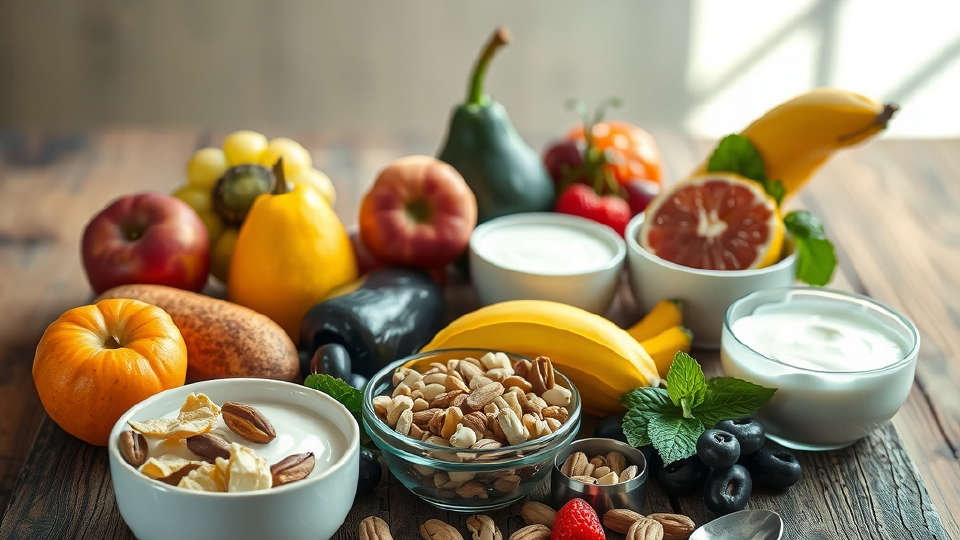
Navigating dietary choices after fifty requires a shift in perspective, particularly when it comes to gut health. The digestive system often undergoes subtle changes with age, such as slower motility or reduced enzyme production, which can make certain foods feel heavier than they once did. Instead of viewing snacks as mere cravings to satisfy hunger between meals, consider them strategic tools for maintaining equilibrium within the gastrointestinal tract. This article explores four categories of snack options that support digestive comfort and nutrient absorption without causing distress. By focusing on whole, minimally processed ingredients, adults can foster a resilient microbiome while enjoying satisfying bites. It is essential to listen to individual bodily responses, as tolerance varies significantly from person to person. Incorporating these gentle yet effective food choices into daily routines can help mitigate bloating, improve regularity, and sustain energy levels throughout the day, promoting overall well-being through mindful eating habits.
Fiber-Rich Fruits for Gentle Motility
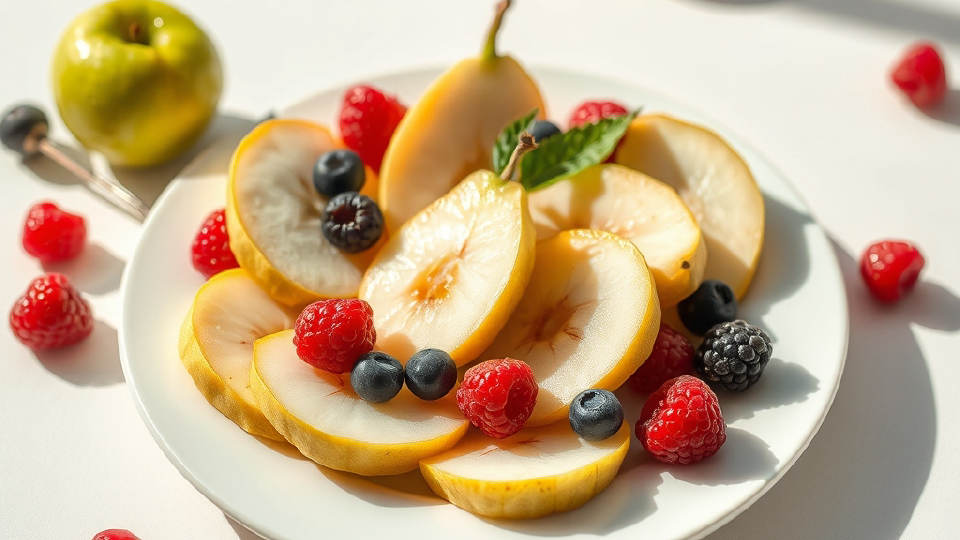
Fruit remains one of the most accessible sources of natural fiber, water, and essential vitamins, making it an ideal candidate for supporting digestive movement. For adults over fifty, soluble fiber found in many fruits helps form a gel-like substance in the intestines, which can soften stool and ease passage, reducing the strain associated with constipation. Apples, pears, and berries are particularly noteworthy because they contain both insoluble fiber, which adds bulk to waste, and soluble fiber, which feeds beneficial gut bacteria. A generic scenario involves someone experiencing mild sluggishness after lunch; choosing a sliced apple with its skin on provides crunch and hydration, helping to reset digestive momentum before the afternoon slump sets in. However, portion control matters. Too much fructose at once can cause fermentation issues in sensitive individuals, leading to gas rather than relief. Therefore, pairing fruit with a small amount of healthy fat, like a few walnuts, slows sugar absorption and further stabilizes blood glucose levels. Kiwi is another excellent option, known for containing actinidin, an enzyme that aids protein digestion. Many people find that incorporating kiwi into their routine supports bowel frequency without harsh laxative effects. Dried fruits offer concentrated nutrients but also higher sugar density, so rehydrating them or consuming them sparingly prevents osmotic diarrhea. Ultimately, integrating fresh, seasonal fruits into snack rotation ensures a diverse intake of phytonutrients that reduce inflammation in the gut lining. This approach supports not just mechanical function but also the chemical environment necessary for optimal nutrient breakdown. When selecting fruits, prioritize those eaten seasonally, as they tend to have better flavor profiles and fewer preservatives, aligning with a holistic view of digestive care that respects the body’s natural rhythms and needs during this life stage. Furthermore, variety is key; rotating different types of fruit ensures a broader spectrum of antioxidants and fibers, preventing the gut flora from becoming too specialized on a single type of substrate.
Fermented Foods for Microbiome Diversity

The human gut hosts trillions of microorganisms, collectively known as the microbiome, which play crucial roles in immunity, metabolism, and mental health. As people age, microbial diversity tends to decline, potentially impacting digestive efficiency. Introducing fermented foods into the diet serves as a practical method to replenish beneficial bacteria, specifically probiotics, which compete with harmful organisms and produce short-chain fatty acids that nourish colon cells. Yogurt, kefir, sauerkraut, kimchi, and miso are traditional staples across various cultures that provide live active cultures. Unlike supplements, these foods offer a complex matrix of nutrients that enhance bacterial survival through stomach acid. Consider a typical evening where digestion feels heavy; adding a small side of unpasteurized sauerkraut to dinner introduces lactobacillus strains that aid in breaking down vegetables and proteins more effectively. It is vital to choose products labeled "raw" or "unpasteurized," as heat treatment kills the beneficial microbes. Start with small quantities, perhaps a tablespoon of kimchi or a quarter cup of yogurt, to allow the gut to adjust gradually. Sudden large intakes may initially cause temporary bloating as the microbiome shifts, a reaction usually subsiding within days. Kefir, a fermented milk drink, contains a wider variety of yeasts and bacteria compared to standard yogurt, making it a potent choice for those seeking robust colonization support. Miso paste, used in soups or dressings, offers umami depth while providing enzymatic activity that assists in pre-digestion of grains and legumes. These foods do not merely add bacteria; they create an acidic environment that discourages pathogenic growth. Regular consumption correlates with improved regularity and reduced inflammatory markers in general population studies. For those who avoid dairy, non-dairy alternatives like coconut kefir or vegetable ferments remain viable. The key lies in consistency rather than volume, ensuring a steady supply of probiotic allies to maintain intestinal balance and resilience against occasional dietary indiscretions common in social settings or travel scenarios. Additionally, observing how your body reacts to specific ferments can guide future choices, as some individuals tolerate cabbage-based ferments better than soy-based ones, highlighting the importance of personalized experimentation.
Nuts and Seeds for Sustained Energy and Lipid Support
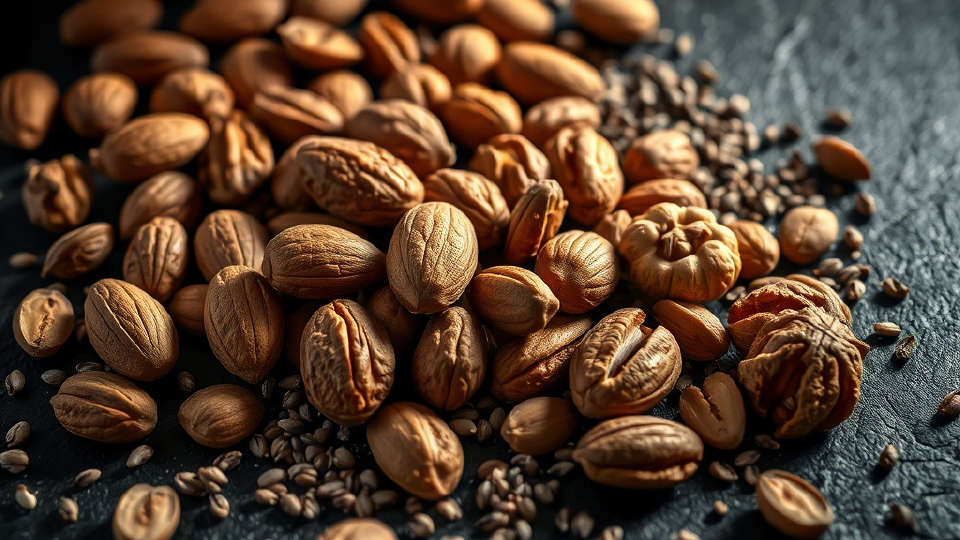
Nuts and seeds represent a powerhouse of nutrition, offering healthy fats, protein, magnesium, and additional fiber, all of which contribute to sustained satiety and stable energy levels. For adults navigating metabolic changes after fifty, snacking on refined carbohydrates often leads to rapid spikes and crashes in blood sugar, exacerbating fatigue and irritability. In contrast, almonds, chia seeds, flaxseeds, and pumpkin seeds provide slow-release fuel that keeps hunger at bay for hours. Almonds, in particular, are rich in monounsaturated fats and vitamin E, antioxidants that protect cell membranes, including those lining the gut. A handful of raw almonds consumed mid-afternoon can curb sweet cravings while delivering essential minerals that support muscle contractions involved in peristalsis—the wave-like movements that push food through the digestive tract. Chia and flax seeds are exceptional sources of alpha-linolenic acid (ALA), an omega-3 fatty acid linked to reduced systemic inflammation. When soaked in liquid, they form a mucilaginous gel that soothes irritated intestinal linings and promotes smooth transit. Flaxseeds must be ground to unlock their nutritional benefits, as whole seeds often pass through undigested. Sprinkling ground flaxseed onto oatmeal or blending it into smoothies enhances texture and nutrient density without altering taste significantly. Pumpkin seeds offer zinc and magnesium, minerals frequently depleted in older adults due to decreased absorption rates. Zinc plays a critical role in maintaining the integrity of the gut barrier, preventing phenomena where toxins might otherwise cross into the bloodstream more easily. Magnesium relaxes smooth muscles, aiding in bowel movements and reducing cramping. Walnuts introduce polyphenols that interact positively with gut bacteria, fostering anti-inflammatory metabolites. Portion awareness is critical here, as nuts are calorie-dense; measuring out a small serving prevents unintended weight gain, which itself can burden the digestive system. Storing nuts properly ensures freshness, avoiding rancid oils that promote oxidative stress. Integrating these lipid-rich snacks creates a balanced macronutrient profile that supports hormonal health and cognitive clarity alongside physical digestion, proving that simple additions to the pantry can yield profound physiological benefits without requiring drastic dietary overhauls or restrictive eating patterns. Moreover, the chewiness of nuts encourages mindfulness, slowing down the eating process and allowing satiety signals to reach the brain more effectively.
Hydrating Vegetables and Lean Proteins for Gut Lining Integrity

Vegetables and lean proteins form the foundation of a low-residue, high-nutrient snack strategy that prioritizes gut lining repair and efficient digestion. Cooked vegetables, such as steamed carrots, zucchini, or spinach, are easier to break down than their raw counterparts, minimizing mechanical stress on the digestive tract while retaining vital vitamins and minerals. Carotenoids found in orange and green vegetables convert to vitamin A, essential for maintaining the mucosal barriers of the intestine. A warm bowl of vegetable broth with added herbs offers hydration and electrolytes, soothing the stomach and preparing it for subsequent meals. Broth made from bones or vegetables releases collagen and amino acids like glycine and glutamine, which research suggests support tissue repair in the gut wall. Pairing this with easily digestible proteins, such as poached chicken breast, turkey slices, or tofu, ensures adequate amino acid intake for muscle maintenance and enzyme production. Protein synthesis declines with age, making consistent intake crucial for preserving lean mass and metabolic rate. Tofu, being plant-based, lacks cholesterol and contains isoflavones that may modulate estrogen receptors, benefiting women post-menopause. Steamed fish provides omega-3s similar to nuts but with even greater bioavailability for some individuals. Avoiding fried preparations reduces the load on bile production, easing the work required by the liver and gallbladder. Herbs and spices like ginger, turmeric, and peppermint possess carminative properties, meaning they help expel gas and relieve abdominal distension. Ginger tea or chewing on candied ginger after a meal stimulates gastric emptying, preventing feelings of fullness that linger uncomfortably. Turmeric, combined with black pepper to enhance absorption, acts as a natural anti-inflammatory agent, calming irritated tissues. Cucumber slices served with hummus offer crisp hydration from the vegetable and creamy satisfaction from chickpeas, creating a textural contrast that encourages mindful chewing. Proper mastication breaks down food mechanically, mixing it with saliva enzymes that begin carbohydrate digestion immediately. This preliminary step lightens the workload for downstream organs. Selecting soft-cooked textures accommodates dental sensitivities sometimes encountered later in life, ensuring that physical limitations do not restrict nutritional access. By focusing on hydrating, nutrient-dense combinations, adults can maintain fluid balance and structural integrity of the digestive organs, fostering a calm and efficient internal environment conducive to long-term health and vitality. It is also worth noting that the timing of these snacks can influence digestion; consuming lighter, protein-rich options earlier in the evening may prevent late-night discomfort and support restorative sleep cycles.
Wrapping Up
Embracing these snack strategies does not require perfection, but rather consistency and attentiveness to personal cues. Each category—fiber-rich fruits, fermented foods, nutrient-dense nuts, and soothing vegetables—offers distinct advantages for maintaining digestive harmony after fifty. Rather than relying on quick fixes, building a repertoire of wholesome options empowers individuals to navigate hunger and health needs proactively. Remember that every body responds differently; what works beautifully for one person may need adjustment for another. Always consult with a healthcare provider before making significant dietary changes, especially if managing chronic conditions or taking medications. Mindful eating practices, such as slowing down and appreciating flavors, amplify the benefits of these nutritious choices. By treating snacks as opportunities to nurture the gut, adults can enjoy greater comfort, energy, and peace of mind, laying a solid foundation for vibrant aging and sustained wellness throughout the years ahead.
This article is informational only and is not medical advice.