
The fermented tea known as kombucha has moved from niche health food stores to mainstream supermarket shelves, capturing the attention of many adults seeking digestive support. For individuals over fifty, the appeal often lies in its potential to introduce beneficial bacteria and organic acids into the gut microbiome, which can naturally shift with age. However, enthusiasm should be balanced with caution. While some report improved digestion or a sense of vitality, others may experience adverse reactions due to sensitivity to acidity, caffeine content, or residual sugars. Understanding what this beverage actually contains, how it interacts with an aging system, and where the risks lie is essential before making it a daily habit. This guide explores the general landscape of kombucha consumption for older adults, focusing on safety, biological effects, and practical considerations without offering medical advice or personal endorsements. It aims to provide clear, factual context so readers can make informed decisions about whether this trendy drink fits their lifestyle and health goals.
The Biological Reality Behind Fermentation
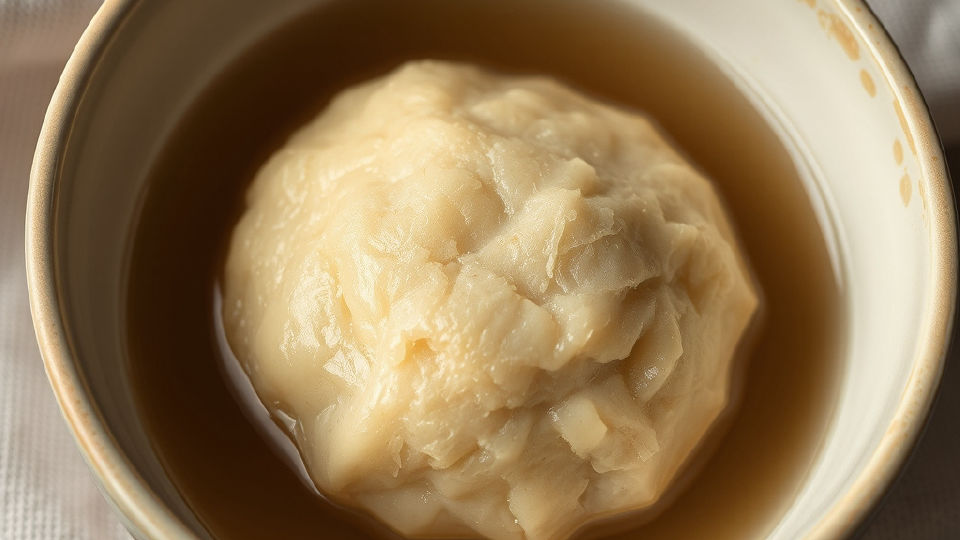
Kombucha is created through a symbiotic fermentation process involving yeast and bacteria, commonly referred to as a SCOBY (Symbiotic Culture Of Bacteria and Yeast). During this transformation, sweetened black or green tea becomes slightly acidic, carbonated, and rich in various compounds. The primary components that draw interest are probiotics, acetic acid, gluconic acid, and small amounts of vitamins such as B12 and C. Probiotics are live microorganisms that, when consumed in adequate amounts, confer a health benefit on the host by balancing the gut flora. In younger bodies, these microbes might help regulate bowel movements or reduce bloating, but for those over fifty, the gut environment changes significantly. Aging often leads to reduced stomach acid production and slower motility, meaning the survival rate of ingested probiotics can vary. A person in their sixties might find that certain strains pass through the digestive tract intact, while others do not, depending on individual physiology. Furthermore, the fermentation process consumes sugar, converting it into alcohol and acids. Most commercial varieties contain trace amounts of alcohol, typically less than half a percent, though home-brewed versions can have higher levels if not monitored carefully. This residual alcohol matters because liver metabolism slows with age, potentially affecting tolerance even in minute quantities. Additionally, the organic acids present contribute to the tart flavor and may aid mineral absorption, yet they can also irritate sensitive gastric linings. Many adults notice that drinking kombucha on an empty stomach causes discomfort, whereas consuming it with meals mitigates this effect. It is crucial to recognize that kombucha is not a uniform product; batch variations mean that microbial diversity differs between brands and even bottles within the same brand. Therefore, expecting consistent physiological responses from every sip is unrealistic. Instead, viewing it as a variable source of bioactive compounds allows for a more nuanced understanding of its role in dietary habits. Research suggests that regular intake of fermented foods supports microbial diversity, but the specific impact of kombucha alone remains under study compared to other sources like yogurt or kefir.
Navigating Safety Concerns and Contamination Risks

Safety stands as a paramount concern for older adults considering kombucha, primarily due to the risk of contamination during improper brewing processes. Because kombucha relies on open-air fermentation, it is susceptible to harmful molds and pathogenic bacteria if hygiene standards slip. Unlike pasteurized products found in sealed containers, unpasteurized raw kombucha retains living organisms, including potential pathogens if the culture was compromised. For individuals with weakened immune systems—a condition more prevalent among those over fifty—the stakes are higher. An infection that might cause mild gastrointestinal upset in a healthy young adult could lead to severe complications in someone with chronic conditions or compromised immunity. Generic scenarios illustrate this risk: imagine a home brewer who skips sanitizing equipment thoroughly, leading to invisible mold spores settling in the liquid. When consumed, this introduces toxins directly into the digestive system. Symptoms might range from nausea and vomiting to more systemic issues requiring immediate medical attention. Commercially produced kombuchas undergo quality control checks, reducing this risk significantly, yet label transparency varies. Some manufacturers use pasteurization after fermentation to kill all microbes, extending shelf life but eliminating the probiotic benefits that attracted buyers in the first place. Others leave it raw, preserving live cultures but increasing vulnerability to spoilage if refrigeration fails. Storage temperature plays a critical role here; keeping kombucha cold slows down further fermentation and inhibits bad bacterial growth. Another layer of complexity involves heavy metals. Since kombucha is brewed in ceramic vessels sometimes glazed with materials containing lead or cadmium, there is a historical precedent for metal leaching into the tea. Modern reputable producers use stainless steel or safe ceramics, but vigilance is required when exploring lesser-known brands or homemade batches. Moreover, the high acidity of kombucha can erode tooth enamel over time, especially if sipped slowly throughout the day rather than drunk quickly. Dental health declines naturally with age, making enamel protection vital. Rinsing the mouth with water after consumption helps neutralize pH levels temporarily. Finally, interactions with medications must be considered. Certain herbs added to flavored kombuchas might interfere with blood thinners or diabetes medication. While plain kombucha poses fewer interaction risks, additives complicate the picture. Consulting a pharmacist or healthcare provider before integrating any new supplement-like beverage into a regimen involving prescription drugs ensures safety. This step prevents unexpected side effects stemming from chemical interactions within the body’s metabolic pathways.
Digestive Effects and Individual Tolerance Variability

The impact of kombucha on digestion is highly subjective, influenced by individual gut microbiota composition and existing gastrointestinal conditions. For many adults over fifty, functional dyspepsia or irritable bowel syndrome (IBS) presents challenges that fermented beverages can either alleviate or exacerbate. The carbonation inherent in kombucha acts as a mechanical stimulus to the stomach lining. In moderate amounts, this fizz can encourage burping and relieve feelings of fullness, mimicking the effect of sparkling water. However, excessive gas production occurs when yeasts continue fermenting sugars inside the gut, particularly if the consumer has slow transit times. A generic scenario involves a reader who enjoys two glasses of kombucha alongside a heavy meal. Initially, they feel refreshed, but hours later, significant bloating develops due to trapped gases expanding in the intestines. This reaction highlights why portion control is key. Starting with small servings—perhaps four ounces—and observing bodily responses allows one to gauge tolerance without overwhelming the system. On the positive side, the acetic acid in kombucha may improve insulin sensitivity post-meal, helping stabilize blood sugar levels. This mechanism works similarly to adding vinegar to salads, a practice long associated with better glycemic control. For those managing pre-diabetes or type 2 diabetes, this subtle benefit adds value beyond mere hydration. Yet, the same acidity triggers heartburn or acid reflux in susceptible individuals. As lower esophageal sphincter tone decreases with age, staying upright after drinking acidic fluids becomes necessary to prevent regurgitation. Lying down immediately after consumption increases the likelihood of symptoms. Additionally, the presence of histamines in fermented products warrants attention. Histamine intolerance grows more common among older adults due to decreased enzyme activity responsible for breaking down histamine. High-histamine drinks can induce headaches, skin rashes, or nasal congestion in affected persons. Identifying whether symptoms align with histamine release versus simple indigestion requires careful tracking. Keeping a brief log of intake timing and subsequent physical sensations aids in distinguishing true intolerance from temporary discomfort. Furthermore, fiber content is negligible unless fruit pieces remain suspended in the liquid, so kombucha should not replace whole fruits or vegetables in the diet. Its primary digestive contribution comes from enzymatic activity and microbial balance rather than bulk-forming agents. Thus, pairing it with adequate fluid intake and a varied diet maximizes overall digestive health outcomes.
Practical Integration and Lifestyle Considerations

Integrating kombucha into a daily routine requires thoughtful planning regarding cost, availability, and consistency. Unlike standard soft drinks, quality kombucha commands a premium price point, reflecting labor-intensive brewing and stricter regulatory oversight. For budget-conscious seniors, calculating monthly expenditure helps determine sustainability. Buying in bulk often reduces unit costs, but storage space limits apply since fresh varieties require refrigeration and have shorter expiration dates. Home brewing offers economic advantages but demands time, precision, and initial investment in supplies. Those lacking kitchen confidence may prefer ready-to-drink options, accepting higher prices for convenience. Timing matters too. Drinking kombucha mid-afternoon provides a gentle caffeine lift without disrupting evening sleep patterns, unlike coffee which stays active longer in the system due to slower clearance rates in older metabolisms. Morning consumption on an empty stomach risks irritation, so accompanying it with breakfast items buffers acidity. Social aspects also play a role; sharing a bottle at gatherings fosters connection while promoting mindful eating practices. However, labeling scrutiny is non-negotiable. Terms like "raw," "unpasteurized," or "live cultures" indicate potency, whereas "heat-treated" signals minimal probiotic value. Sugar content labels reveal hidden calories; some brands add juice post-fermentation, reintroducing sweetness that contradicts weight management goals. Opting for dry-tasting profiles minimizes unnecessary carbohydrate load. Environmental consciousness influences choice as well; glass bottles recycle efficiently compared to plastic alternatives, appealing to eco-aware consumers. Lastly, patience yields results. Gut microbiome shifts occur gradually over weeks, not instantly. Expecting immediate transformations sets unrealistic benchmarks. Consistent moderate intake combined with diverse plant-based foods creates synergy, enhancing overall resilience. Remember that no single item replaces holistic care. Regular check-ups ensure baseline health metrics remain stable despite dietary experiments. If unusual symptoms persist beyond trial periods, discontinuation becomes prudent until professional evaluation clarifies underlying causes. Balancing curiosity with prudence defines successful adoption. By treating kombucha as one element among many supportive habits, older adults navigate trends wisely without compromising stability or comfort in their golden years.
Final Thoughts
Kombucha represents a fascinating intersection of tradition and modern wellness, offering potential benefits for digestive health when approached with awareness and moderation. For adults over fifty, the decision to include it rests on individual tolerance, existing health conditions, and lifestyle preferences. Research suggests incorporating it as part of a broader dietary pattern focused on nutrient-dense foods. Listening to your body’s signals remains the most reliable guide. If discomfort arises, pause and reassess. Engaging with healthcare professionals ensures that any integration aligns safely with current medications and health status. Ultimately, informed choices empower longevity and quality of life, turning everyday beverages into tools for sustained well-being.
This article is informational only and is not medical advice.