
Many adults over fifty begin to notice subtle shifts in how their digestive system responds to food, stress, and daily routines. While occasional discomfort is a normal part of the aging process, persistent bloating or irregularity can signal a need for dietary adjustments that support gut health without being overly restrictive. One area of growing interest involves omega-3 fatty acids, essential nutrients known primarily for their benefits to heart and brain health but increasingly recognized for their potential role in maintaining intestinal comfort. This article explores the general relationship between these fats and digestive well-being, focusing on whole food sources rather than supplements. Current scientific understanding suggests that specific nutrients interact dynamically with the complex environment of the gut. By examining anti-inflammatory properties, microbiome interactions, and practical dietary integration, readers can make informed choices about their nutrition. It is important to remember that individual responses vary significantly. Therefore, consulting a healthcare provider before making major changes remains the safest approach for anyone managing existing conditions or medications. Research suggests that foundational nutrition supports the body’s natural processes.
The Anti-Inflammatory Connection

Chronic low-grade inflammation is often cited as an underlying factor in various digestive complaints, particularly among older adults whose bodies may process inflammatory signals differently than they did in younger years. Omega-3 fatty acids, specifically EPA and DHA found predominantly in marine sources, are widely understood to possess anti-inflammatory properties. When consumed regularly through diet, these fats compete with omega-6 fatty acids, which tend to promote inflammation when present in excess relative to omega-3s. This balance is crucial because many modern diets are heavily skewed toward processed foods rich in vegetable oils high in omega-6, potentially tipping the scale toward systemic irritation. For the gut lining, reducing this inflammatory load can mean less sensitivity and improved barrier function. A person might notice that after consistently including fatty fish like salmon or mackerel in weekly meals, episodes of post-meal heaviness or mild abdominal pain decrease. Many adults over fifty notice that omega-3s serve as supportive nutritional elements rather than definitive treatments for diagnosed medical conditions. Instead, they help create a more resilient internal environment. Think of it as lowering the background noise of inflammation so the body can focus on repair and digestion more effectively. Generic scenarios suggest that someone experiencing frequent minor irritability from spicy or acidic foods might find greater tolerance when their overall intake of anti-inflammatory nutrients is optimized. This does not happen overnight; consistency over weeks is usually required to observe any shift in comfort levels. Furthermore, the source matters greatly. Whole foods provide additional nutrients like selenium and vitamin D, which work synergistically with healthy fats to support immune regulation. Relying solely on isolated compounds misses the broader context of nutrition. Therefore, viewing omega-3s as part of a holistic dietary strategy, rather than a standalone fix, offers a more realistic path to sustained gut ease. The body operates as an integrated system, and isolating one nutrient rarely yields the same benefits as consuming it within its natural food matrix. This synergistic effect helps modulate the immune response in the gut lining, potentially reducing the frequency of flare-ups associated with sensitive digestion. It is a gentle, cumulative process that rewards patience and consistent habits.
Interaction With the Gut Microbiome

The human gastrointestinal tract hosts trillions of microorganisms collectively known as the microbiome, which play a pivotal role in digestion, immunity, and even mood regulation. Recent scientific discourse suggests that diet directly influences the composition and diversity of these bacterial communities. Omega-3 fatty acids appear to have a prebiotic-like effect, encouraging the growth of beneficial bacteria while limiting the proliferation of harmful strains. Specifically, certain types of bacteria thrive in environments where there is an adequate supply of healthy fats, producing short-chain fatty acids that nourish colon cells and maintain pH balance. For an adult over fifty, preserving microbial diversity becomes increasingly important as natural fluctuations in gut flora occur with age. A generic example illustrates this point: consider an individual who has recently completed a course of antibiotics, a common scenario that disrupts bacterial balance. Incorporating omega-3-rich foods such as walnuts or flaxseeds alongside probiotic yogurt might help restore equilibrium faster than dietary changes alone. The mechanism involves the modulation of bile acid production, which is influenced by fat intake and subsequently affects which bacteria dominate the lower intestine. When bile flow is regulated properly, it aids in the breakdown of fats and prevents excessive fermentation that leads to gas and bloating. Moreover, some research indicates that higher levels of omega-3s correlate with increased abundance of certain beneficial bacteria associated with improved gut barrier integrity. Although naming specific bacteria requires caution due to evolving research, the general consensus points toward a positive association between these fats and a healthier microbial profile. It is worth noting that not all omega-3 sources act identically. Plant-based ALA, found in chia seeds and hemp, must be converted into active forms within the body, a process that varies significantly among individuals based on genetics and enzyme efficiency. Consequently, relying exclusively on plant sources may yield different microbiome outcomes compared to direct consumption of marine-derived EPA and DHA. Understanding this nuance helps set realistic expectations. Rather than expecting immediate transformation, one should view dietary inclusion of these fats as a long-term investment in ecological stability within the gut. Regular monitoring of digestive patterns can reveal personal sensitivities, guiding further refinement of the diet under professional guidance if necessary. The microbiome is dynamic, responding to daily inputs, and consistent nourishment with diverse, high-quality fats supports its resilience against stressors.
Practical Dietary Integration Strategies
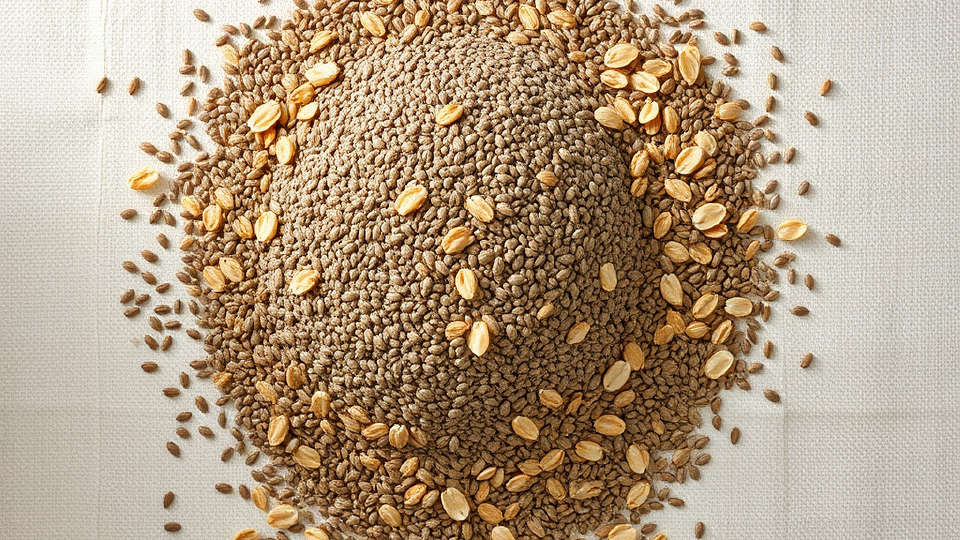
Transitioning to a diet richer in omega-3 fatty acids does not require drastic lifestyle overhauls or expensive specialty items. Simple, sustainable swaps can gradually increase intake without overwhelming the palate or complicating meal preparation. For those who enjoy seafood, aiming for two servings of oily fish per week provides a substantial dose of bioavailable EPA and DHA. Grilled sardines on toast or baked trout with herbs are accessible options that fit easily into lunch or dinner routines. Vegetarians and vegans, or those allergic to shellfish, can turn to ground flaxseeds, chia seeds, and walnuts. These ingredients blend seamlessly into morning oatmeal, smoothies, or salad dressings. A key consideration here is oxidation; polyunsaturated fats spoil quickly when exposed to heat and light. Storing nuts and seeds in the refrigerator preserves their quality and ensures that the nutrients remain intact upon consumption. Cooking methods also matter. High-heat frying can degrade delicate omega-3 structures, whereas steaming, poaching, or baking retains their integrity better. Imagine a typical Tuesday evening: instead of sautéing vegetables in refined oil, one could roast Brussels sprouts tossed with crushed walnuts and a drizzle of olive oil. This single dish combines fiber, antioxidants, and healthy fats in a way that supports slow, steady digestion. Additionally, pairing these fats with vitamin C-rich foods enhances iron absorption and antioxidant protection, creating a nutrient-dense profile beneficial for overall vitality. Snacking habits offer another opportunity for improvement. Replacing processed crackers with a small handful of almonds or pumpkin seeds introduces magnesium and zinc, minerals that assist muscle relaxation in the intestinal wall, potentially easing cramping sensations. Hydration plays a supporting role here as well; adequate water intake helps move fibrous components through the digestive tract efficiently. It is helpful to keep a simple food diary for a few weeks to track how different combinations affect energy levels and bathroom regularity. Patterns often emerge that highlight personal tolerances. For instance, some individuals may find that raw flaxseed causes slight looseness in stools initially, suggesting a need to introduce it slowly or opt for ground versions for easier digestion. Others might prefer the taste of canned tuna mixed with avocado for a creamy texture that feels satisfying yet light on the stomach. The goal is consistency rather than perfection. Missing a day or eating a less-than-ideal meal does not negate previous efforts. Building a flexible framework around these foods allows for enjoyment and adherence over time. Consulting a registered dietitian can personalize these strategies further, ensuring that caloric needs and macronutrient balances align with individual health goals, especially for those managing weight or blood sugar levels. Small, incremental changes are often more sustainable than radical diets, leading to lasting habits that support long-term wellness.
Navigating Potential Sensitivities and Risks

While omega-3 foods are generally safe for most people, introducing significant amounts into the diet can sometimes trigger unexpected reactions, particularly in sensitive individuals. Digestive systems vary widely in their capacity to handle fats, and a sudden increase in lipid intake may overwhelm bile production, leading to symptoms such as loose stools, nausea, or indigestion. This is especially relevant for adults over fifty who may have reduced gallbladder function or prior history of gallstones. Starting with smaller portions and gradually scaling up allows the body to adapt its enzymatic output accordingly. Another concern involves contaminants. Large predatory fish like shark or swordfish can accumulate mercury and other heavy metals, posing risks to neurological and kidney health if consumed frequently. Opting for smaller species such as anchovies, sardines, or farmed salmon reduces exposure to these toxins while still delivering ample omega-3 content. Sustainability is also a factor; choosing responsibly sourced products supports environmental health and ensures cleaner supply chains. Allergies represent another layer of complexity. Shellfish allergies are common and severe, requiring strict avoidance of crustaceans and mollusks. Fish allergies, though less prevalent, exist and necessitate careful label reading when purchasing prepared foods. Even plant-based sources like walnuts carry allergen risks for those with tree nut sensitivities. Cross-reactivity is possible, meaning someone tolerant to peanuts might react to soy lecithin used in some processed vegan omega-3 products. Reading ingredient lists thoroughly prevents accidental ingestion of hidden allergens. Medication interactions deserve attention too. Omega-3s have mild blood-thinning effects, which can potentiate the action of anticoagulants like warfarin or aspirin. Individuals prescribed these drugs should discuss dietary changes with their physician to monitor coagulation parameters safely. Similarly, those undergoing surgery may be advised to pause high-dose omega-3 consumption beforehand to minimize bleeding risks. Emotional well-being ties into physical digestion; stress impacts gut motility and sensitivity. Creating a calm eating environment, chewing food thoroughly, and avoiding distractions during meals enhance the digestive process regardless of nutrient content. Mindful eating practices allow individuals to detect early signs of intolerance, fostering a proactive approach to health. It is never advisable to ignore persistent discomfort. If symptoms such as severe abdominal pain, unexplained weight loss, or blood in stool occur, seeking immediate medical evaluation is critical. These signs warrant investigation beyond dietary tweaks. Ultimately, balancing benefit against risk requires awareness and moderation. There is no universal recommendation that fits everyone perfectly. Personalized care respects biological uniqueness, acknowledging that what soothes one person’s gut might unsettle another’s. Patience and observation form the cornerstone of successful dietary adaptation, empowering adults to take charge of their wellness journey with confidence and clarity. Listening to the body’s signals is just as important as following general guidelines.
Final Thoughts
Understanding the link between omega-3 foods and gut comfort empowers adults over fifty to make nuanced dietary choices. These nutrients support anti-inflammatory processes and foster a diverse microbiome, contributing to smoother digestion and reduced discomfort. However, individual responses differ, and gradual introduction is key to avoiding adverse effects like indigestion or allergic reactions. Prioritize whole food sources, mindful preparation, and consistent hydration to maximize benefits. Remember that diet is just one pillar of health; sleep, movement, and stress management play equally vital roles. Always consult a healthcare professional before implementing significant changes, especially if taking medication or managing chronic conditions. This educational overview aims to inform, not prescribe, encouraging a personalized approach to digestive wellness that respects both science and individual biology. By integrating these fats thoughtfully into daily meals, it is possible to support the gut’s natural resilience and improve overall quality of life. The journey to better digestive health is not about rigid rules, but about finding balance and listening to the unique needs of the body.
This article is informational only and is not medical advice.