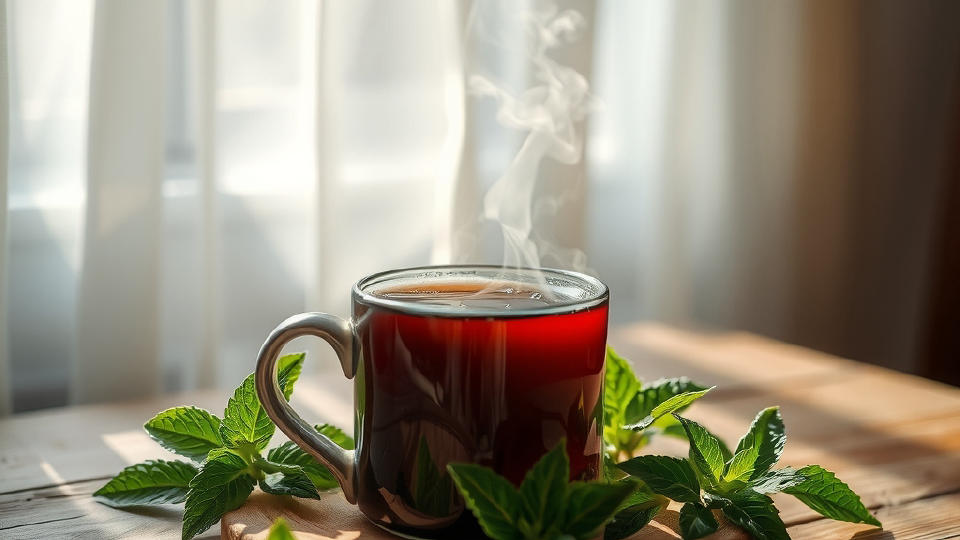
Many adults over fifty find that their relationship with food shifts subtly, often bringing new sensations of bloating or mild discomfort after meals. It is a common experience to seek gentle ways to soothe the digestive tract without resorting to harsh medications or drastic dietary changes. Peppermint tea has long been regarded as a comforting ritual for those looking to ease post-meal tension. The aroma alone can signal relaxation to the body, preparing the mind for restful digestion. General wellness literature suggests it may contribute to overall well-being through its soothing properties. This article explores how peppermint may support digestive comfort through natural mechanisms, offering practical insights for incorporating this herbal infusion into daily life. Understanding these benefits helps individuals make informed choices about their health routines, ensuring they feel supported rather than overwhelmed by changing bodily needs. By focusing on simple, accessible habits, one can foster a more peaceful approach to gut health during this vibrant stage of life.
The Natural Mechanism of Relaxation
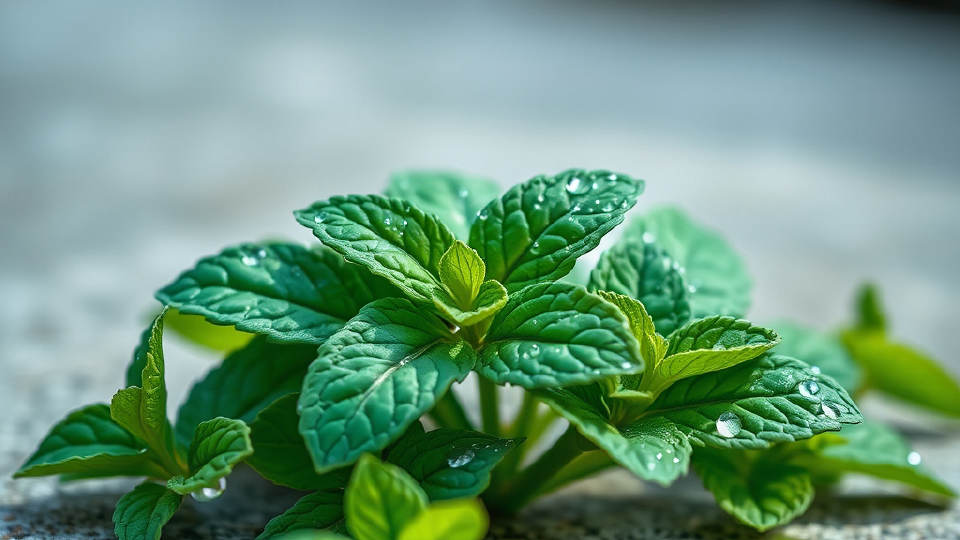
The primary reason peppermint is associated with digestive relief lies in its active compound, menthol. Menthol acts as a natural antispasmodic, meaning it helps relax the smooth muscles lining the gastrointestinal tract. For many people over fifty, muscle tone in the digestive system can change, leading to spasms that cause cramping or irregular bowel movements. When a person drinks warm peppermint tea, the heat combined with the chemical properties of menthol works synergistically to calm these muscular contractions. Imagine someone who feels tightness across the abdomen after eating a heavy meal; the warmth of the liquid provides immediate physical comfort, while the menthol begins to work on the underlying tension. This dual action makes the tea particularly effective for functional dyspepsia, which involves persistent indigestion without an obvious structural cause. It is important to understand that this relaxation effect is localized to the gut area initially, though systemic calming follows. Many readers report that the scent itself triggers a parasympathetic response, shifting the body from a state of stress to one of rest and digest. Since stress significantly impacts digestion, this olfactory component is just as valuable as the ingestion of the herb. However, individual responses vary widely. Some may feel instant relief, while others might need consistent consumption over several days to notice a difference. There is no guarantee that every cup will resolve discomfort, but the mechanism is well-understood in general wellness circles. Consulting a healthcare provider before making significant changes to diet or supplement intake remains wise, especially if there are existing conditions like gastroesophageal reflux disease, where peppermint’s relaxing effect on the lower esophageal sphincter could potentially worsen symptoms. Thus, understanding the specific way menthol interacts with smooth muscle tissue allows individuals to gauge whether this remedy aligns with their personal physiological profile. It is not merely folklore; it is rooted in the biochemical interaction between plant compounds and human physiology, offering a tangible path toward greater abdominal ease.
Brewing Techniques for Maximum Benefit
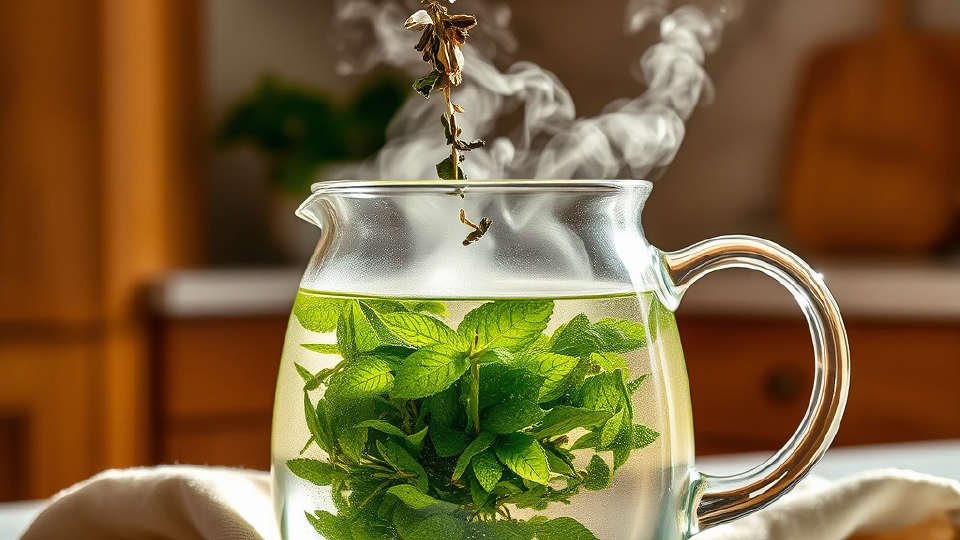
Preparing peppermint tea correctly ensures that the beneficial compounds are extracted efficiently, maximizing potential digestive support. Simply pouring boiling water over leaves is not always sufficient for optimal release of essential oils. To get the most out of each cup, consider using fresh mint leaves if available, or high-quality dried organic herbs. Fresh leaves tend to have higher concentrations of volatile oils, which carry the therapeutic properties. If using dried tea bags or loose leaf, ensure the water temperature is around ninety degrees Celsius rather than fully boiling, as extreme heat can degrade delicate aromatic compounds. Steeping time is crucial; too short yields a weak infusion, while too long can result in bitterness without added benefit. A standard guideline suggests steeping for five to ten minutes under a lid. Covering the mug traps steam, preventing the loss of essential oils that evaporate quickly upon exposure to air. This small step dramatically increases the potency of the brew. Picture a scenario where someone prepares tea hastily, leaving the cup uncovered; much of the healing vapor escapes, reducing efficacy. In contrast, taking three extra minutes to cover the pot preserves these elements. Additionally, crushing fresh leaves lightly before adding hot water helps break cell walls, releasing more juice and oils. For those who prefer convenience, pre-packaged teas are acceptable, but checking ingredients for purity matters. Avoid blends with excessive fillers or artificial flavors, which dilute the natural effects. Consistency in preparation builds a reliable routine, turning tea drinking into a mindful practice rather than a rushed chore. This mindfulness aspect contributes to overall stress reduction, further aiding digestion. Moreover, timing plays a role in effectiveness. Drinking the tea thirty minutes after a meal allows initial digestion to occur while still providing relief from lingering fullness. Consuming it immediately after eating might interfere with gastric acid levels temporarily, so spacing it out is prudent. Experimenting with strength—using two teaspoons instead of one—can help determine personal tolerance and preference. Not everyone reacts identically to concentration levels. Some may find stronger brews irritating, while others require them for noticeable effects. Listening to one’s body during this experimentation phase is key. It is also worth noting that reusable infusers allow for better control over leaf quantity compared to sealed bags. Ultimately, the goal is to create a beverage that serves both medicinal and sensory purposes, enhancing the likelihood of regular consumption and sustained digestive comfort through proper extraction methods.
Integrating Peppermint into Daily Wellness Routines

Incorporating peppermint tea into a broader lifestyle strategy enhances its benefits beyond isolated moments of relief. Rather than viewing it solely as a reactive measure for pain, consider it part of a proactive hygiene routine for the gut. Establishing a fixed time for tea consumption creates habit stability, which is vital for maintaining any health improvement. For instance, enjoying a cup after lunch or dinner signals to the body that the day’s main nutritional intake is complete, prompting a shift toward processing and elimination. This rhythmic consistency supports circadian rhythms related to digestion. Beyond timing, pairing peppermint with other gentle herbs can amplify results. Chamomile, known for its anti-inflammatory properties, complements peppermint’s antispasmodic nature. Fennel seeds, traditionally used for gas reduction, offer another layer of support when blended with mint. Creating custom blends allows individuals to tailor the experience to their specific sensitivities. Many adults over 50 notice that adjusting ingredient ratios can influence the perceived warming or cooling sensation. Such adjustments personalize the regimen, making adherence easier. Hydration status also influences how effectively herbal teas work. Dehydration exacerbates constipation and slows metabolic processes, so ensuring adequate water intake throughout the day is foundational. Peppermint tea counts toward fluid goals, provided it is consumed without excessive sugar or cream, which can negate some digestive advantages. Mindful sipping techniques matter too. Rushing through a cup prevents the body from registering satiety and relaxation cues. Taking slow, deliberate breaths between sips engages the vagus nerve, promoting a calm nervous system state conducive to healthy peristalsis. Furthermore, environmental factors play a subtle yet significant role. Drinking tea in a quiet, comfortable setting reduces external stressors that disrupt gut function. Turning off screens and engaging in light conversation or solitary reflection transforms the act into a meditative pause. This psychological break lowers cortisol levels, indirectly benefiting intestinal motility. Regular movement, such as a gentle walk after consuming the tea, aids mechanical digestion. Gravity and muscle activity help move contents through the intestines, working alongside the chemical relaxation provided by menthol. Combining these elements—timing, blending, hydration, mindfulness, environment, and motion—creates a holistic ecosystem for digestive health. It moves beyond single-ingredient reliance to embrace a multifaceted approach. Individuals should monitor their energy levels and stool consistency over weeks to assess progress. Keeping a simple journal can reveal patterns, showing whether certain times of day yield better outcomes. This data-driven self-awareness empowers users to refine their routines continuously, ensuring that peppermint tea serves as a cornerstone of sustainable wellness rather than a fleeting fix. Always remember that major lifestyle shifts warrant professional guidance to avoid unintended interactions with existing medical conditions.
Potential Considerations and Individual Variability

While generally safe, peppermint tea does present considerations that vary among individuals, particularly regarding acid reflux and medication interactions. Menthol relaxes the lower esophageal sphincter, the valve separating the stomach from the esophagus. For those prone to heartburn or GERD, this relaxation can allow stomach acid to rise, causing irritation. Therefore, anyone experiencing frequent burning sensations should exercise caution. A generic example would be a person who notices increased acidity after evening tea sessions; they might switch to daytime consumption or reduce concentration. Monitoring personal reaction is essential because sensitivity thresholds differ greatly. What soothes one neighbor may aggravate another. Additionally, peppermint can interact with certain prescription drugs, including those for blood pressure, diabetes, or seizures. It affects liver enzymes responsible for metabolizing these medications, potentially altering their effectiveness. Adults over fifty often manage multiple chronic conditions requiring pharmacological intervention. Consequently, discussing herbal additions with a pharmacist or physician becomes critical to prevent adverse effects. Allergies, though rare, exist within the Lamiaceae family, which includes basil, sage, and oregano. Symptoms range from mild oral itching to severe respiratory distress. Identifying prior reactions to similar plants helps mitigate risk. Quality control also varies across brands. Contaminants like pesticides or heavy metals may reside in poorly sourced herbs. Choosing reputable suppliers who test for purity safeguards against hidden toxins. Storage conditions impact potency; keeping dried leaves in cool, dark places preserves active compounds longer than exposure to humidity or light. Expired products lose efficacy and may develop mold. Visual inspection before brewing adds a safety layer. Lastly, pregnancy and breastfeeding stages involve hormonal fluctuations affecting metabolism. Although this audience targets older adults, younger relatives seeking advice might overlook these nuances. Emphasizing moderation prevents dependency on herbal remedies for serious issues. Persistent symptoms despite regular tea use indicate underlying pathology requiring diagnostic evaluation. Ignoring warning signs like unexplained weight loss or blood in stool delays necessary treatment. Peppermint addresses functional discomfort, not structural diseases. Recognizing limits fosters realistic expectations. Users must balance hope with skepticism, avoiding magical thinking about quick fixes. Education empowers decision-making, allowing individuals to weigh risks against rewards accurately. Professional consultation bridges gaps between traditional wisdom and modern medicine, ensuring comprehensive care. By acknowledging variability, consumers adopt flexible strategies adaptable to changing health statuses. This nuanced perspective respects complexity while celebrating simplicity’s power in everyday wellness practices.
This article is informational only and is not medical advice.